The $100,000 Dust Bunny: How Contamination Destroys Industrial Equipment
Downtime, overheating, and unexpected failures are three of the most feared words in manufacturing. Each leads to lost production, missed deadlines, and costly repairs. Yet one major threat is often overlooked until serious damage is done.
That threat is contamination.
Dust, oil mist, and moisture quietly build up inside industrial equipment. Over time, they restrict airflow, damage electronics, and weaken critical systems. What starts as a small buildup can quickly turn into a six-figure replacement.
In many facilities, contamination isn’t caused by neglect. It happens naturally in busy, high-demand environments. Without proper monitoring, it spreads faster than most teams realize.
3 Types of Contamination
- Dust Accumulation
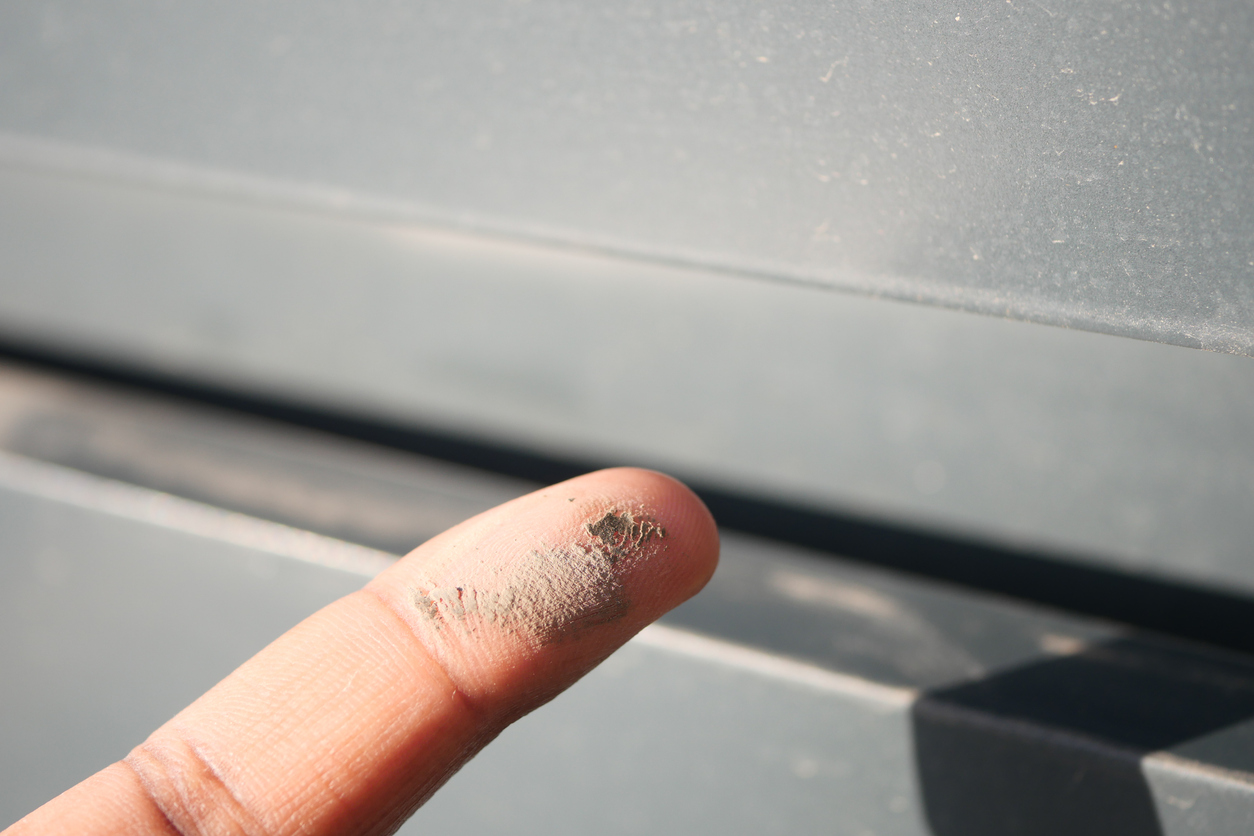
Dust builds up when air filtration and ventilation systems are not properly maintained. Particles settle on motors, drives, circuit boards, and cooling fans.
Inside equipment, dust:
- Traps heat
- Blocks airflow
- Clogs vents
- Weakens insulation
- Shortens component life
Just like dust behind a TV causes overheating at home, industrial dust does the same thing on a much larger scale. As temperatures rise, electronics degrade faster, and failures become more frequent.
- Oil Mist Contamination
Oil mist forms when lubricants contact hot surfaces and vaporize. The vapor cools, condenses, and settles on nearby equipment. Friction between moving parts can also create oil mist, especially in high-speed systems.
Once oil settles, it attracts dust and debris, creating sticky layers that are difficult to remove. This buildup can:
- Reduce electrical insulation
- Cause short circuits
- Interfere with sensors
- Increase fire risk
Over time, oil contamination weakens system reliability and increases safety hazards.
- Humidity and Moisture Intrusion
Moisture is one of the most damaging forms of contamination.
It enters facilities through vents, doors, poorly sealed windows, and employee traffic. It can also come from internal processes such as sterilization, steam cleaning, and heated water systems.
Humidity causes:
- Corrosion and rust
- Condensation on circuit boards
- Insulation breakdown
- Electrical shorts
Even small amounts of moisture can permanently damage PLCs, HMIs, drives, and control panels. Many failures linked to moisture begin as intermittent issues that are difficult to diagnose.
Why Contamination Is So Dangerous
Unlike mechanical failures, contamination works slowly. Equipment may continue running while internal damage builds. Common warning signs include:
- Rising temperatures
- Random shutdowns
- Communication errors
- Sensor failures
- Inconsistent performance
Because these symptoms resemble software or mechanical problems, contamination is often misdiagnosed. Repairs are made without addressing the root cause, leading to repeated failures and higher costs. Eventually, systems reach a breaking point, and replacement becomes the only option.
The True Cost of Contamination
When contamination damages equipment, the cost extends far beyond repairs.
Hidden expenses include:
- Production downtime
- Missed shipments
- Overtime labor
- Emergency service calls
- Customer dissatisfaction
In high-volume operations, downtime can cost thousands of dollars per hour. A single contaminated component can shut down an entire line. What begins as a minor environmental issue can quickly become a major financial loss.
Reducing Contamination Risk
Contamination control is about consistency, not perfection. Small daily habits help prevent major failures. Setting aside 10–15 minutes per shift for basic inspection and cleanup keeps buildup under control and encourages accountability. Effective practices include:
- Wiping down control panels
- Keeping vents clear
- Monitoring air filters
- Reporting leaks early
- Removing debris promptly
Proper supplies should always be accessible. Microfiber cloths and approved cleaning materials allow employees to act immediately instead of delaying maintenance.
Managing Humidity and Air Quality
Moisture control is especially important in electrical and control areas.
Key strategies include:
- Sealing doors and windows
- Maintaining HVAC systems
- Using industrial dehumidifiers
- Installing moisture-resistant enclosures
- Monitoring humidity levels
Targeting high-risk areas first, such as control rooms and electrical cabinets, delivers the greatest return on investment.
When Contamination Causes Damage
Even well-managed facilities can experience contamination-related failures. When equipment shows signs of dust intrusion, moisture damage, or oil buildup, professional evaluation is critical. Continuing to operate compromised systems often leads to greater damage.
Industrial Repair Service specializes in restoring contaminated components, including:
- PLCs
- Circuit boards
- Drives
- HMIs
- Power supplies
Using state-of-the-art testing labs and advanced diagnostic equipment, our technicians identify hidden damage and restore performance before failures escalate. We don’t just repair symptoms, we solve the underlying problem.
Protect Your Equipment from the $100,000 Dust Bunny
Contamination doesn’t make headlines. It doesn’t announce itself with alarms. But over time, it quietly destroys the systems your operation depends on.
Dust. Oil mist. Moisture: Each has the power to turn reliable equipment into a costly liability. By addressing contamination early, you protect your uptime, your investment, and your bottom line.
If your equipment has been affected, Industrial Repair Service is ready to help. Call us today and stop small contamination problems from becoming six-figure losses.