Industrial Plastics Equipment Repair: Troubleshooting, Testing, and Maintenance Strategies
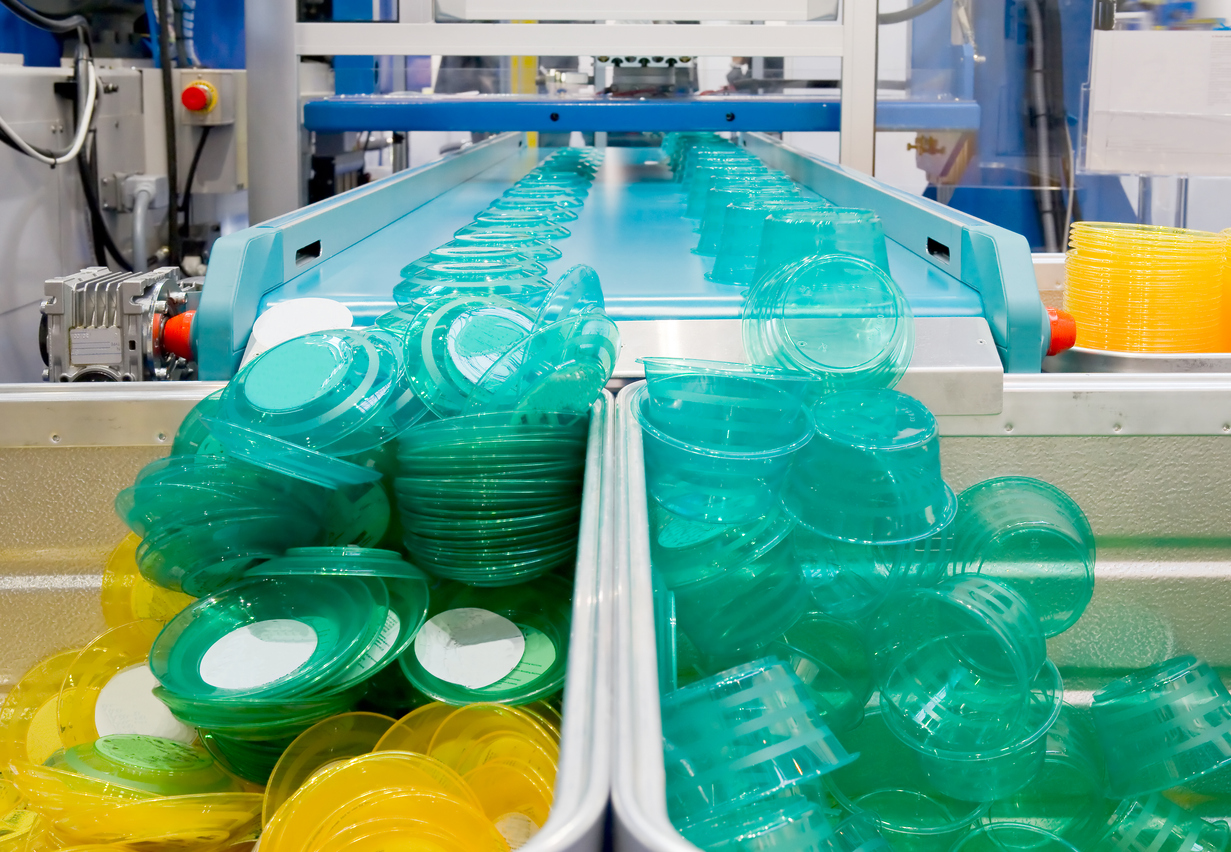
Plastic manufacturing is a demanding industrial process built on precision, speed, and repeatable consistency. Between high heat, extreme pressure, and tight regulatory tolerances, equipment in these environments is pushed to perform at its peak every single day. When something goes down, production stops, and those delays ripple through customers, downstream suppliers, and industries that depend on plastics for their products.
Plastics Go Beyond Bottles
When people think of plastics, bottles and packaging typically come to mind. But the plastics sector is far broader and more technologically advanced than most realize. Plastics support a wide range of industries, including:
- Medical and Pharmaceutical: syringes, tubing, housings, implantable components, and sterile packaging
- Automotive: exterior trims, dashboards, clips, fasteners, lenses, and fuel system parts
- Consumer Products: containers, toys, household goods, appliances, and packaging
- Electronics: connectors, protective components, insulators, and housings
- Optical: contact lenses and precision-molded optical components
Many of the machines behind these applications are large, highly automated, and designed to operate continuously. Robotics, conveyor systems, blow molding equipment, and injection molding machines all perform critical tasks in sync. Because so much of the process is regulated internally, operators and technicians often monitor and maintain systems from HMIs or control centers without being hands-on during every step of production.
Common Equipment and Failure Points We See in Plastics Manufacturing
Plastics facilities require a mix of mechanical equipment, servo-driven automation, robotics, motion control systems, and process controllers. While the technology varies by sector, several key components show up across the board:
Drives, Conveyors, and Robotics
Variable frequency drives (VFDs), conveyors, and robotic arms move raw pellets, molds, and finished products through the facility. As production speeds increase, so do the risks of overheating, motor failure, alignment issues, and wear.
Proportional Valves
Proportional valves are especially important in blow molding, where temperature, pressure, and timing determine the shape and structural integrity of the final product. If these valves drift, clog, or lose calibration, dimensional accuracy drops and scrap rates increase.
Controllers
Controllers regulate speed, flow, temperature, timing, and injection pressures across:
- Injection molding systems
- Blow molding systems
- Extrusion and compounding lines
- Filling and sealing equipment
When control boards fail or sensors degrade, the entire system can lose efficiency or stop mid-cycle.
Testing and Measurement Systems
Sensors, PLCs, and closed-loop feedback devices verify tolerances and ensure product quality. Failures in these systems often hide until scrap rates climb or audits reveal deviations.
How We Address Repairs
At Industrial Repair Service, our technicians specialize in diagnosing and repairing the complex systems that power plastic production. With real-world experience across injection molding, extrusion, and robotics, we identify root causes quickly, not just the symptoms. Our goal is simple: restore functionality with precision, reduce future downtime, and extend the life of your assets.
Repair scenarios often include:
- Replacing worn or heat-damaged drives and servo components
- Recalibrating proportional valves for accurate blow molding
- Troubleshooting robotic systems
- Repairing or replacing control boards and PLC components
- Correcting electrical failures caused by moisture, heat, vibration, or chemical exposure
Because plastics facilities operate under strict regulatory environments, unplanned downtime can lead to material waste, production bottlenecks, and missed delivery schedules. By resolving small control issues early, we help prevent costly failures later in the line.
Testing and Quality Validation
Every repair we perform undergoes rigorous testing before it leaves our facility. Plastic equipment experiences extreme vibration and repetitive duty cycles, so we simulate these conditions to ensure your system returns production-ready.
Our validation process includes:
- Load Testing: simulating real-world production demands, ensuring components respond correctly under operational pressure and heat
- Cycle Testing: verifying that equipment can run repeatedly without drift, delay, or calibration loss
- Precision Calibration: checking against injection, filling, and extrusion tolerances to confirm accuracy
- Environmental Testing (when applicable): ensuring components can withstand moisture, vibration, and temperature swings common in plastics facilities
Once completed, repaired components are documented and returned with detailed test results.
Preventive Maintenance Matters in Plastics
While emergency repairs get systems running again, preventative maintenance keeps them running longer. In plastics manufacturing, even slight temperature or pressure fluctuations can impact product quality. A preventative approach helps reduce:
- Scrap and waste
- Quality-control issues
- Compliance problems
- Production bottlenecks
- Asset replacement costs
Because many failures start small, such as sensor drift, valve wear, or drive overheating, early detection prevents expensive downtime and protects throughput.
If your plastic manufacturing equipment is down or beginning to show signs of failure, we’re ready to help. From emergency repair to proactive maintenance strategies, our team works to get your systems back in shape and keep production running smoothly.