Why the Future of Manufacturing Still Needs Human Hands
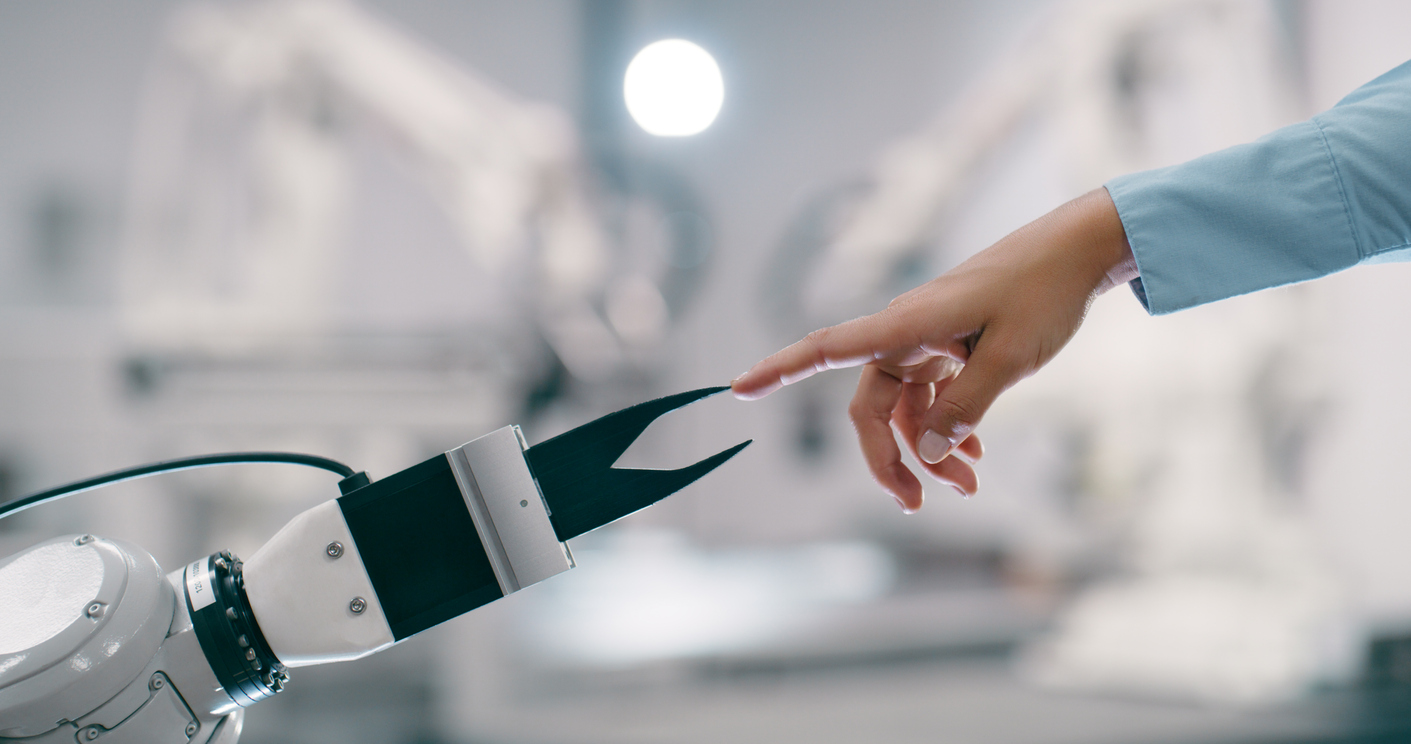
Automation is rising at a pace we have never seen before. Walk into almost any modern manufacturing plant, and you will see robotic systems handling materials, tending machines, packaging and palletizing products, welding frames, and even painting finished goods. Robotics improves precision, increases efficiency, and allows companies to scale production with consistency.
But with this growth comes a common concern: Will robots replace human workers?
The short answer is no. The future of manufacturing still needs human hands.
Automation Enhances; It Doesn’t Eliminate Skilled Labor
Industrial automation and robotics are powerful tools. They excel at repetitive tasks, perform with speed, reduce error, and they can operate in environments that may be unsafe for people.
However, robots do not think independently. They do not adapt without instruction, do not troubleshoot root causes, innovate process improvements, or make judgment calls when something unexpected happens.
Without skilled professionals behind them, robots simply do not function.
At Industrial Repair Service, we have worked with automation equipment for more than three decades. Over that time, we have not seen a decline in the need for technicians. In fact, we have seen the opposite.
That demand is one of the reasons we created our sister company, ARM-Co., which focuses specifically on robotic innovation and system integration. As robotics continues to expand, so does the need for professionals who understand both the mechanical and digital sides of modern manufacturing.
Human Judgment Cannot Be Programmed
Robots operate based on logic and programming. Humans operate based on experience, intuition, and adaptability.
When a system fault occurs, a robot may shut down, and then a technician investigates why it failed. Was it electrical noise? Mechanical wear? Software corruption? Environmental contamination?
When a production line slows down, a robot continues executing its code. A skilled automation technician looks at the bigger picture: cycle times, bottlenecks, integration gaps, and determines the true root cause.
When a company faces a major capital decision, such as repairing an aging machine versus replacing it with new automation, robots do not consider cost-benefit analysis. People do.
At Industrial Repair Service, our technicians help clients make critical decisions every day. From evaluating obsolete components to planning large-scale facility upgrades, human expertise guides the future of production.
Robots are tools. Skilled trades professionals are the decision-makers.
The Shift in Trade Careers
Since the early 2000s, the United States has experienced a noticeable decline in trade careers. Trade work peaked in the mid-20th century, when manufacturing jobs were widely respected and strongly promoted.
Beginning in the 1950s and 1960s, cultural shifts encouraged young people to pursue four-year degrees and corporate careers. By the 1990s, the service-based economy expanded rapidly, and vocational pathways received less emphasis.
At the same time, college tuition rose dramatically. Today, many young adults are hesitant to take on significant student loan debt. As a result, interest in skilled trades is growing again.
Motivated and forward-thinking individuals are choosing careers in manufacturing, automation, and robotics. They are not stepping into outdated roles. They are becoming innovators, adapting to new technologies, learning robotic programming, and contributing to continuous improvement initiatives across facilities.
These careers offer strong earning potential, hands-on learning, and long-term stability. As robotics and AI continue to advance, the demand for these skilled trades workers will continue to grow.
Automation Creates Higher-Skilled Opportunities
When repetitive tasks become automated, companies often redeploy employees into more specialized and valuable roles, such as:
- Automation technicians
- Robotics engineers
- PLC programmers
- Industrial maintenance specialists
- Integration and commissioning experts
These positions require technical training, problem-solving skills, and mechanical understanding. They are safer, more engaging, and often more rewarding than repetitive manual labor.
Embracing the Future with Confidence
Advancements in robotics can feel intimidating. Change often does, but there is no need to fear automation. Robots are here to stay, to thrive, and to support the evolution of manufacturing, all with the backing of human beings who drive innovation forward.
At Industrial Repair Service, we remain committed to supporting the technicians, engineers, and manufacturers who keep production moving. Whether you need expert electronic repair or a system diagnostics check, our team is here to help. Contact Industrial Repair Service for all your repair needs, and connect with ARM-Co. for expert robotic and automation solutions.