
Too Much of a Good Thing: The Risks of Over-Lubricating Equipment
Lubrication is one of the most important parts of industrial equipment maintenance. Bearings, gears, motors, and other moving components depend on it to reduce friction, manage heat, and prevent premature wear.
Without a proper lubricant film, metal surfaces can begin making direct contact. This creates friction that may lead to abnormal noise, rising temperatures, damaged surfaces, and eventual equipment failure.
However, adding more grease does not always provide more protection. Over-lubricating industrial equipment can be just as harmful as failing to lubricate it enough.
What Happens When Equipment Is Over-Greased?
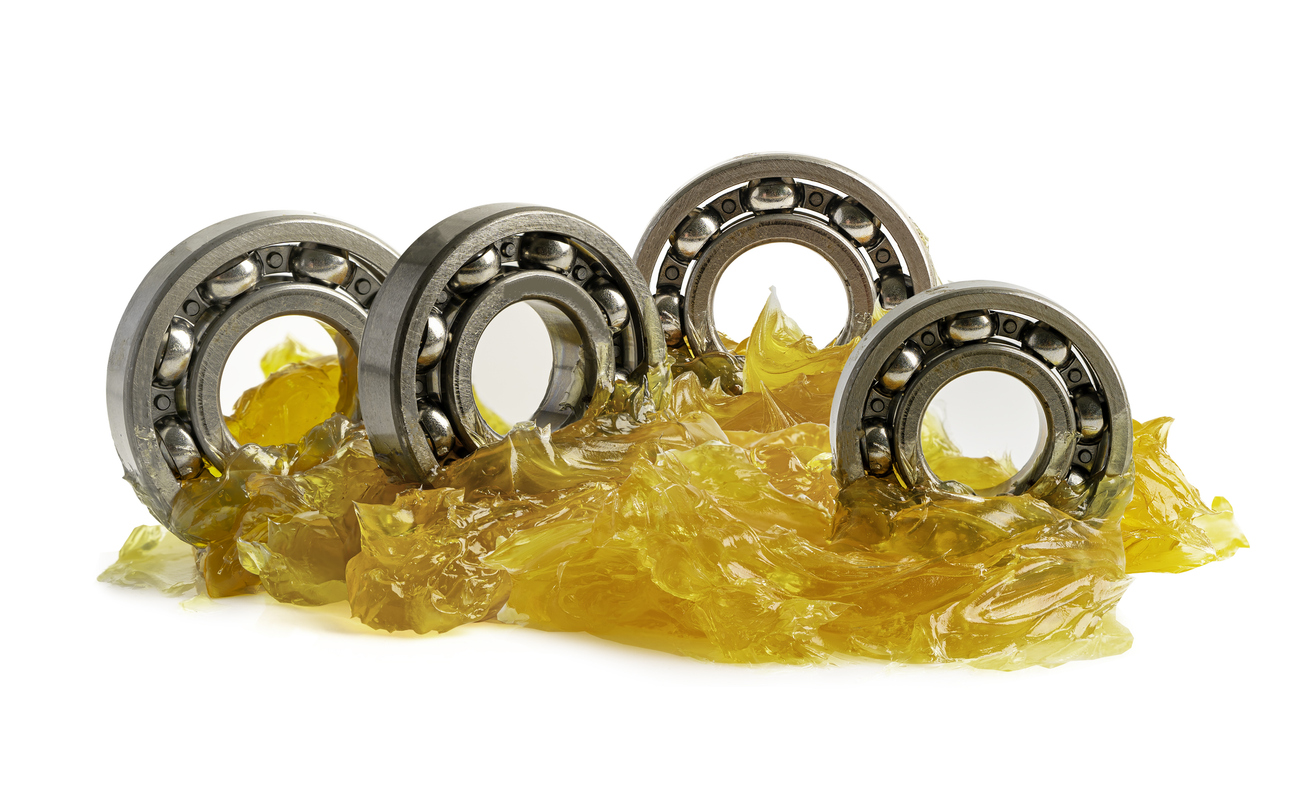
A bearing requires enough grease to create a protective film between its moving surfaces. When too much grease is added, the rolling elements must push through the excess material. This churning creates resistance and generates heat.
As the bearing temperature rises, the grease may soften and release oil. If the lubrication causes a damaged seal, once it’s compromised, grease can escape while water, dirt, and other contaminants enter.
An over-greased bearing may show several warning signs:
- Higher operating temperatures
- Unusual noise or vibration
- Grease leaking around seals
- Increased energy use
- Grease pushed from relief points
- Premature seal or bearing failure
These symptoms should not automatically be blamed on over-greasing. Misalignment, incorrect installation, worn components, and contamination can create similar problems. A complete inspection is needed to identify the actual cause.
Excess Lubricant Can Create Contamination Problems
Over-greasing does not directly create dust or contamination inside a closed bearing. However, grease leaking onto external surfaces can collect dirt, fibers, metal particles, and other debris found in an industrial environment.
That buildup creates several concerns. A layer of grease and dirt can act as insulation, making it harder for equipment to release heat. Contaminants may also enter the bearing through a damaged seal or during the next lubrication service. Continued operation concentrates stress around that damage and reduces bearing life.
Leaks Create More Than a Mess
Leaking oil or grease is easy to dismiss as a housekeeping problem, but it can signal a larger mechanical issue. Leaks can also create a slip hazard, contaminate nearby products, and expose other machine components to unwanted lubricant.
Repeatedly wiping away the mess without finding its source allows the underlying problem to continue. Maintenance teams should determine where the lubricant is coming from, inspect the seals, and confirm that the correct quantity and product are being used.
What Is Bearing Burnout?
“Bearing burnout” is an informal phrase often used to describe severe bearing damage caused by excessive heat, friction, or seizure. It is not one specific type of failure.
A bearing may overheat because of too little lubricant, too much grease, contamination, misalignment, excessive loads, improper installation, or an unsuitable lubricant. Dirty or degraded oil may fail to maintain an effective film between moving surfaces. The resulting friction damages the bearing and can eventually cause it to seize.
Common warning signs include grinding or squealing sounds, rising vibration, discoloration, and reduced machine performance. Once these symptoms appear, continuing to operate the equipment may damage the shaft, housing, motor, or connected machinery.
How to Prevent Over-Lubrication
Effective lubrication begins with accurate information. Maintenance teams should follow the equipment manufacturer’s recommendations for lubricant type, quantity, and service interval.
A strong program should also include the following practices:
Review Maintenance Records
Document when each lubrication point was serviced, which product was used, and how much was applied. Clear records prevent employees from lubricating the same component twice or servicing it too frequently.
Use the Correct Lubricant
Greases are not automatically compatible. Mixing products with different base oils may change their consistency and reduce performance. Confirm compatibility before introducing a new product.
Keep Equipment and Tools Clean
Store lubricants in sealed, labeled containers, and clean external buildup before it traps dirt or hides a developing leak.
Monitor Equipment Condition
Track temperature, vibration, noise, and lubricant leakage. A change in normal operating conditions can reveal a developing problem before the bearing fails.
When Lubrication Problems Lead to Equipment Failure
The cost of wasted grease may seem minor, but there are often larger expenses involved, leading to unplanned downtime.
If a lubrication issue has already compromised an industrial component, Industrial Repair Service is ready to help. Our experienced technicians use advanced diagnostic equipment to identify damage and evaluate the best repair path. We also support a wide range of legacy and current equipment.
When repair is not practical, our team can explore replacement parts and alternative solutions to help get production moving again.
Contact Industrial Repair Service today to discuss your equipment repair needs!