
Hobbies Are Back and Better Than Ever!

Six years ago, the COVID-19 pandemic changed the way we lived almost overnight. Students attended class from kitchen tables, employees worked from spare bedrooms, and seeing anyone outside the household became rare.
Yet, something unexpected came from that difficult period: the return of hobbies.
Before 2020, many people struggled to make room for personal interests. Life moved quickly, schedules stayed full, and free time often disappeared. Once the world slowed down, people began searching for meaningful ways to fill their days. Some began baking bread, making jewelry, restoring furniture, or experimenting with electronics.
What started as a way to pass the time became something much more valuable.
Why Hobbies Matter
Low-pressure hobbies give people a chance to step away from work, responsibilities, and constant notifications. Unlike another item on a daily checklist, a hobby does not need to produce a profit or lead to a major achievement. It can simply be enjoyable.
That freedom is part of what makes hobbies so beneficial: a creative or hands-on activity can provide a mental reset. Research has linked leisure activities with improved moods and lower levels of depression. Even a short amount of time spent doing something enjoyable may help a person feel calmer and more focused.
The benefits of hobbies can also be physical. Gardening requires lifting, digging, bending, and walking. Swimming builds strength while supporting heart health. Hiking improves endurance, and woodworking can develop coordination and control. These activities may not feel like traditional exercise, but they still keep the body moving.
Most importantly, they make movement feel purposeful.
Giving the Brain a New Challenge
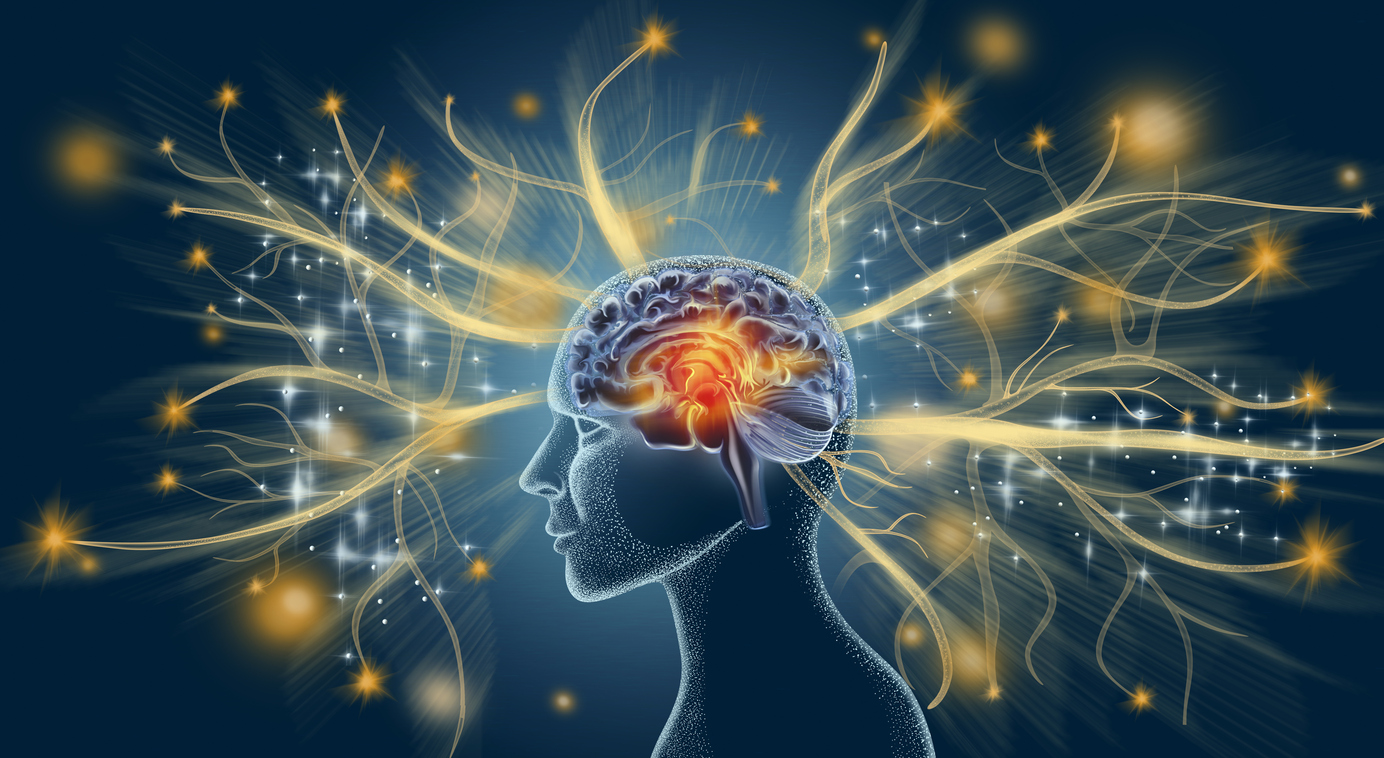
The brain also benefits when we learn unfamiliar skills. Playing an instrument, completing a puzzle, sewing, painting, or studying a new language requires concentration and patience. These activities strengthen memory, problem-solving skills, and hand-eye coordination.
A routine can make each day feel predictable. Hobbies interrupt that pattern by asking the brain to approach a task from a different angle. Someone repairing a small engine, for example, must inspect each component, identify the problem, and determine the correct solution.
Mistakes are expected during that process. Instead of signaling failure, they become part of learning. That mindset can build confidence and make future challenges feel less intimidating.
Creating Real Connections
One of the most important benefits of hobbies is their ability to bring people together. Loneliness remains a serious concern, especially as more communication takes place through screens. Shared interests can make forming new relationships feel more natural.
Book clubs, recreational sports, and art classes introduce people who already have something in common. Conversation begins with the activity, but it can grow into friendship, mentorship, or professional opportunity.
Online communities can offer that same sense of connection. A beginner can ask questions, share progress, and learn from someone with years of experience. People who may never meet in person can still encourage one another and exchange useful knowledge.
Social Media Made Hands-On Work Interesting Again
Social media also helped introduce traditional skills to a new audience. When TikTok grew rapidly during the pandemic, creators began sharing short videos of repairs, restorations, and impressive transformations.
A rusted tool became usable again, a damaged circuit board returned to service, and an old machine ran for the first time in decades. These videos gave viewers a close look at work that usually happens behind shop doors.
For younger viewers, this content may provide their first real introduction to electronics, machining, automotive work, welding, or industrial repair. A small project that starts as a hobby could uncover an interest that later develops into technical training or a skilled-trades career.
A Hobby Can Lead Somewhere Unexpected
Hands-on hobbies teach habits that are valuable in industrial environments. Troubleshooting alone takes patience, curiosity, and logical thinking.
As the busy fall season begins, consider making time for an activity that gives your mind room to breathe. Pick up an old interest or try something completely unfamiliar. Paint, garden, swim, build, repair, or create simply because you enjoy it.
You never know where a hobby might lead or what part of yourself you may rediscover along the way.